Bankside Pier wedding florist case study
Posted on 10/10/2026
Bankside Pier wedding florist case study: a practical guide to planning flowers by the Thames
If you are researching a Bankside Pier wedding florist case study, you are probably doing more than browsing pretty bouquets. You want to know how wedding flowers actually work at a riverside London venue, what can go wrong, what needs to be planned early, and how a florist can help the day feel calm rather than chaotic. Fair enough. Bankside Pier sits in a part of London where timing, access, weather, and venue logistics all matter, and flowers have to look beautiful and arrive in the right condition.
This guide breaks the topic down in plain English. You will see why this kind of case study matters, how wedding floristry for a pier or waterside setting is usually approached, which decisions make the biggest difference, and what a realistic workflow looks like from first enquiry to final setup. We will also cover common mistakes, practical checklists, compliance considerations, and the sort of details couples often miss until the last minute. Let's face it, wedding planning is already full of moving parts. Flowers should not become one more headache.
If you are also comparing service options for the wider area, it can help to look at a local florist in Bankside SE1 alongside more specific wedding ranges such as wedding flowers in Bankside SE1 and wedding collections. That way, you are not just choosing by instinct. You are choosing by fit.
Table of Contents
- Why Bankside Pier wedding florist case study Matters
- How Bankside Pier wedding florist case study Works
- Key Benefits and Practical Advantages
- Who This Is For and When It Makes Sense
- Step-by-Step Guidance
- Expert Tips for Better Results
- Common Mistakes to Avoid
- Tools, Resources and Recommendations
- Law, Compliance, Standards, or Best Practice
- Options, Methods, or Comparison Table
- Case Study or Real-World Example
- Practical Checklist
- Conclusion
- Frequently Asked Questions
Why Bankside Pier wedding florist case study Matters
A riverside venue like Bankside Pier changes the florist's job in subtle ways. The flowers are not just decorating a room. They have to work around a waterfront setting, movement, guest arrival timings, exposure to air, and the practical realities of getting arrangements in and out without fuss. That is why a Bankside Pier wedding florist case study is useful: it shows the thinking behind the flowers, not just the final photographs.
For couples, the value is simple. A good case study helps you understand what a florist is trying to solve. Are the arrangements meant to soften a modern venue? Frame a ceremony space? Carry a romantic feel from the pier through to the reception? Or perhaps provide a more modest floral plan that still feels polished. Those are very different design briefs, and the right answer depends on the day.
For florists, a case study is a way to demonstrate real-world judgment. Anyone can say they create beautiful wedding flowers. Fewer people can explain how they adapt when a setup window is tight, the wind picks up, or the couple wants elegant styling without bulky arrangements that block views of the Thames. Truth be told, that practical side is what experienced couples care about most once they have seen enough pretty mood boards.
Expert summary: a strong wedding florist case study should show design choices, venue awareness, timing decisions, and problem-solving, not just finished bouquets.
It also matters because riverside and central London weddings often involve multiple suppliers working to a schedule. Flowers may need to be coordinated with photography, transport, venue access, and sometimes guest movement around the site. That means floristry becomes part of the event logistics, not just decor.
How Bankside Pier wedding florist case study Works
A proper case study for a Bankside Pier wedding florist usually follows the full journey, from enquiry to installation. In practical terms, the process tends to look like this:
- Initial brief: the couple shares date, guest count, colour palette, style references, and the parts of the day they want flowers to support.
- Venue context: the florist considers the pier setting, access, setup timing, and how the flowers will be seen in daylight and indoor light.
- Design direction: bouquet styles, ceremony pieces, buttonholes, table arrangements, and any statement features are matched to the space.
- Flower selection: seasonal blooms, texture, and durability are chosen with transport and presentation in mind.
- Delivery and setup: arrangements are conditioned, packed, transported, and installed within the agreed time slot.
- Final styling: stems are adjusted on site if needed, and any last-minute touch-ups are made before guests arrive.
That sounds straightforward. In real life, it often includes little judgement calls that make a big difference. For example, if a bouquet will be carried outdoors near the river, the florist may lean toward stronger stems and fewer delicate components that droop in the breeze. If the reception tables are long and narrow, low arrangements may preserve sightlines better than tall designs. Small things, but they matter.
Many couples are surprised by how much of wedding floristry is about timing. Flowers look their best when they are fresh, hydrated, and handled calmly. A riverside venue adds extra moving parts, so a good florist will plan packaging, transport order, and on-site finish in a way that avoids panic. Nobody wants to see someone wrestling with ribbon at the last second, honestly.
If you are exploring the surrounding product and service structure, the pages for flower delivery in Bankside SE1 and flower shops in Bankside SE1 can help you understand the broader local offering, while the wedding-specific range gives a clearer sense of style.
Key Benefits and Practical Advantages
A well-planned wedding florist case study does more than look good in a portfolio. It shows practical value for the couple and the supplier alike.
- Clearer decision-making: you can see what was chosen and why, rather than guessing from inspiration photos.
- Better budget control: you understand where impact was created, which helps avoid overspending on the wrong pieces.
- Venue fit: you learn how flowers can complement a waterside setting without fighting it.
- Less stress on the day: a florist who has planned for access and setup will usually make the whole thing feel calmer.
- More consistent styling: bouquets, buttonholes, table pieces, and larger installations feel connected.
- Useful realism: you get a sense of what is practical rather than what only looks good in a styled shoot.
From a planning perspective, one of the biggest advantages is clarity. A case study helps couples understand the relationship between ambition and logistics. A grand floral arch may sound lovely, but at a pier venue it may not be the most efficient spend if the ceremony area is small or the installation time is limited. A lighter, sharper design can have more visual impact than a larger one that clutters the space.
That is where wedding floristry becomes a bit of a balancing act. You want romance, yes. You also want proportion, movement, and a design that does not feel overcooked. To be fair, the best arrangements often look effortless because the planning behind them was anything but.
Who This Is For and When It Makes Sense
This kind of case study is useful for several different readers.
Couples planning a Bankside or Southwark wedding
If you are getting married near the Thames and want flowers that suit a city-riverside backdrop, this is for you. A venue like Bankside Pier has a distinct visual character, so generic wedding ideas can miss the mark. You need flowers that feel intentional in the space.
Couples comparing florists
If you are trying to decide between providers, a case study shows whether the florist understands transport, setup timings, and venue styling. That can be more revealing than a standard gallery of bouquet shots.
Planners, coordinators, and venue teams
Event professionals often use case studies to benchmark how flowers can support guest flow, ceremony layout, and turnaround times. It is all part of making the day work smoothly.
Anyone wanting a specific style outcome
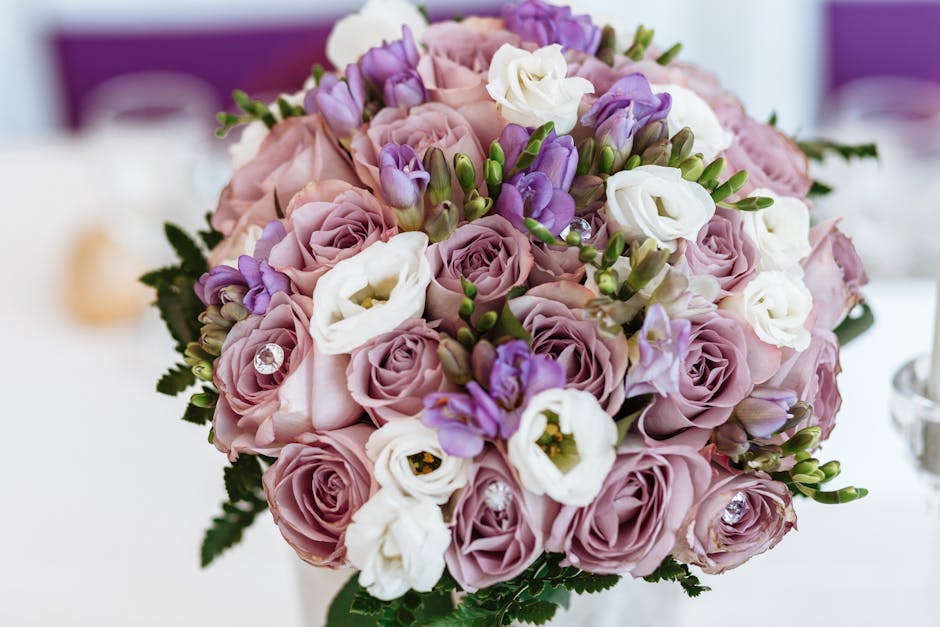
If you already know you want something modern, romantic, seasonal, or understated, a case study helps translate that feeling into practical flower decisions. It also helps if you are drawn to certain palettes, such as whites and greens, soft pinks, or mixed colours. The styling becomes more tangible when you can see how the pieces sit together.
If your wedding is more modest and you only need a few core items, that is fine too. A slimmed-down floral plan can still feel elegant. In fact, some of the best weddings I have seen use a small number of strong pieces rather than trying to cover every surface in blooms.
Step-by-Step Guidance
Here is a practical way to approach a Bankside Pier wedding florist project without getting overwhelmed.
1. Define the spaces that actually need flowers
Start with the ceremony, entrance, bouquets, buttonholes, and tables. Do not assume every area needs something. Some spaces just need breathing room.
2. Decide what should carry the visual weight
Do you want the bridal bouquet to be the statement, or should the ceremony arrangement do the heavy lifting? Choosing one main focal point often gives a cleaner result than spreading the budget too thin.
3. Match the palette to the venue mood
Soft whites and greens work beautifully in many riverside settings because they feel light and fresh. If the couple wants more drama, deeper tones or richer mixed colours can create contrast against a modern city backdrop. Neither is right or wrong. It depends on the atmosphere you want.
4. Check timing and access
This is boring until it is not. Ask when deliveries can happen, where the florist can unload, and how long they have to set up. That is the sort of detail that saves a lot of stress later.
5. Build a realistic installation plan
Some arrangements can be assembled in advance. Others need final touch-ups on site. A good florist will decide this based on flower type, weather, travel time, and the fragility of the design.
6. Plan for the end of the day
Think about what happens after the ceremony and reception. Can bouquets be taken home? Can table flowers be gifted or repurposed? A sensible end-of-night plan prevents waste and makes the flowers feel more worthwhile.
A short, practical note: wedding flower planning often goes smoother when you keep a simple document with venue timings, supplier contacts, and the floral must-haves. Nothing fancy. Just enough to stop details disappearing into WhatsApp history, which has a habit of becoming a black hole.
Expert Tips for Better Results
These are the kinds of pointers that tend to make the biggest difference in a wedding florist case study, especially at a venue with a strong location identity like Bankside Pier.
- Prioritise movement in the design: flowers should feel alive, not stiff. Loose textural elements can work well in romantic wedding styling.
- Use the venue backdrop, don't fight it: a pier setting already offers views and structure. The flowers should enhance that, not hide it.
- Choose flowers that travel well: not every bloom loves a journey through London traffic and a wait near the river.
- Keep the bouquet comfortable to hold: beautiful is good. Practical is better. Your hand will thank you.
- Make one detail unforgettable: a ribbon finish, a signature bloom, or a striking table focal point can anchor the whole look.
- Ask for photos of scale: many flowers look lovely on a desk and far too small on a long table. Scale is everything.
One of the better habits is to ask your florist how they would adapt the design if the weather turns windy or the light changes. You do not need a drama-filled contingency plan, just a sensible one. Even a light breeze off the river can change how a bouquet sits, especially with larger, more open blooms.
And yes, flowers are emotional. But they are also physical objects. They need structure, water, handling, and time. That is not the romantic bit, perhaps, but it is what makes the romantic bit possible.
Common Mistakes to Avoid
Most wedding flower problems are avoidable if you spot them early. Here are the most common ones.
Choosing only by looks
A bouquet might be stunning in isolation and completely wrong for the venue or season. Always ask how it will work on the day.
Underestimating setup time
On paper, a small floral plan can seem easy. In reality, transport, parking, unloading, and staging take time. Sometimes more than people expect.
Overfilling the space
At a scenic venue, too many large arrangements can clutter the visual lines and hide the best feature: the setting itself.
Ignoring guest movement
If flowers block entrances, sightlines, or table conversation, they become an obstacle. Not ideal.
Forgetting the weather
Outdoor-adjacent locations can be breezy, cool, or bright in ways that affect fresh flowers. A florist should design with that in mind.
Leaving confirmation too late
Final details matter: delivery windows, contact names, and what goes where. Leaving those until the week of the wedding is a classic stress generator.
A small honest truth? Many couples do not really know what they need until the florist helps them think it through. That is normal. The good ones are used to that. They will help you narrow it down without making you feel clueless, which is a skill in itself.
Tools, Resources and Recommendations
You do not need a dozen complicated tools to plan wedding flowers well. A few straightforward resources make the process much easier.
- Venue floor plan: even a simple sketch helps show where flowers will sit and how people will move through the space.
- Palette reference: collect a handful of colours and textures rather than a huge mood board that says everything and nothing.
- Supplier contact sheet: include phone numbers, arrival times, and the name of the person who will receive deliveries.
- Budget split: roughly outline where the spend should go, so the florist knows what matters most.
- Backup notes: record any substitutions the florist is happy to make if a particular flower is unavailable.
For style ideas and product direction, these local pages can be useful starting points: bridal bouquets, bridesmaid bouquets, buttonholes, and table arrangements. If you want a broader wedding selection, browse the wedding collection for a sense of style direction.
If budget is a concern, remember that not all wedding flowers need to be expensive to feel considered. Smart design often matters more than volume. A well-chosen bouquet, a few neat buttonholes, and elegant table pieces can go a long way if the proportions are right.
Law, Compliance, Standards, or Best Practice
For wedding floristry, the main compliance concerns are usually practical rather than heavily legal, but they still matter. A florist working in London should follow sensible business practice around delivery scheduling, safe handling, and clear communication. Venue rules can also be important, especially for access, setup times, loading, and any restrictions on adhesives, open flames, or hanging installations.
If flowers or display mechanics are being installed in a public-facing or shared-use area, best practice is to think about trip hazards, secure placement, and tidy cable-free presentation. That is especially relevant in busy urban locations. Even if nobody mentions safety in the excitement of planning, it is worth asking the question early: where will this sit, and how will it be secured?
Other practical standards include freshness, suitability for transport, and clear substitution policies. If a specific stem is unavailable, the florist should explain the replacement approach rather than quietly swapping in something wildly different. Transparency builds trust. Simple as that.
Couples should also check the florist's terms, delivery expectations, payment structure, and refund or amendment policy before confirming. Pages such as terms and conditions, delivery, returns and refund, and guarantees are worth reviewing so there are no awkward surprises later.
Options, Methods, or Comparison Table
Not every Bankside Pier wedding needs the same floral approach. Here is a simple comparison of common options.
| Option | Best for | Pros | Watch-outs |
|---|---|---|---|
| Minimal bouquet-led styling | Smaller weddings, tighter budgets, couples who want elegance without lots of decor | Cost-effective, clean, easy to transport | Can feel too plain if the venue needs more presence |
| Ceremony focal point plus table flowers | Couples who want visible impact in key areas | Balanced and versatile, photographs well | Needs good timing and coordination |
| Full floral styling | Couples prioritising a strong floral atmosphere | High visual impact, immersive feel | More logistics, more budget, more setup time |
| Seasonal and sustainable styling | Couples who value texture, freshness, and lower waste | Often feels natural and thoughtful | Flower choice may be more flexible than fixed-reference designs |
There is no universal winner here. The right method depends on how much of the visual story you want flowers to tell. For some weddings, the bouquet is the hero. For others, the room needs a quiet, elegant lift. Both can work beautifully.
Case Study or Real-World Example
Here is a realistic example of how a Bankside Pier wedding florist project might be shaped in practice.
A couple planning a civil ceremony and reception near the river wants a light, romantic feel that does not compete with the view. They like soft ivory, blush pink, and muted green. They do not want a heavy, over-styled look. Their priorities are a memorable bridal bouquet, neat buttonholes, a handful of bridesmaid bouquets, and refined table pieces that photograph well but do not dominate the room.
The florist starts by mapping the day around the venue flow. Because the setting is close to the water and the couple expects some time outdoors for photos, the designs need to hold shape for a while without fuss. A cascading bouquet sounds lovely, but a more compact, loosely arranged hand-tied style is chosen instead because it will be easier to carry and less vulnerable to movement.
For the ceremony, instead of a large installation, the florist recommends a smaller focal arrangement and repurposable table flowers. That saves setup time and keeps the space open. The result feels considered rather than overdone. Guests can still enjoy the Thames-side atmosphere, and the flowers add warmth without stealing the show.
The practical lesson here is important. A good florist does not simply ask, "What flowers do you like?" They ask, "What do you want the room to feel like?" That shift changes everything. It leads to better choices, better proportions, and fewer compromises on the day.
If the couple later wants to build on the same style direction, they might explore coordinated pieces like wedding corsages or a more comprehensive package from the wider wedding collections. That keeps the look cohesive without making every item identical. A little variety is good. Too matchy-matchy can feel stiff, and nobody really wants that.
Practical Checklist
Use this checklist to keep a Bankside Pier wedding flower plan on track.
- Confirm the wedding date, venue, and ceremony/reception times.
- Decide which floral items are essential and which are optional.
- Choose a colour palette that suits both the couple and the setting.
- Check venue access, unloading, and setup windows.
- Ask how flowers will be conditioned and transported.
- Confirm where bouquets, buttonholes, and table flowers will be delivered.
- Review substitution preferences for seasonal availability.
- Clarify who the florist should contact on the day.
- Make a plan for repurposing or collecting flowers afterward.
- Read the florist's policy pages before paying a deposit.
Quick reminder: a calm floral plan is usually a good floral plan. If something feels overcomplicated during planning, it will probably feel overcomplicated on the day too.
Conclusion
A thoughtful Bankside Pier wedding florist case study is useful because it shows the real shape of wedding floristry: design, timing, venue fit, and practical problem-solving. That matters more than most couples expect at first. Once you understand how flowers interact with a riverside setting, it becomes much easier to make choices that feel elegant, realistic, and true to the day you want.
The best results usually come from keeping the plan focused. Choose the flowers that matter most, let the venue breathe, and work with a florist who thinks about logistics as carefully as colour and style. That is the difference between flowers that simply look nice and flowers that genuinely support the experience of the wedding.
If you are comparing options now, start with the pieces that matter most to you and build from there. A simple, well-judged floral plan often creates more beauty than a crowded one. And that, in the end, is what people remember when they look back at the photographs.
Get a free quote today and see how much you can save.
Frequently Asked Questions
What is a Bankside Pier wedding florist case study?
It is a real-world style breakdown of how a florist plans, delivers, and installs wedding flowers for a Bankside Pier celebration. It usually shows design choices, timing, logistics, and venue-specific considerations.
Why is Bankside Pier different from a typical wedding venue?
Because it is a riverside London location, the florist has to think about access, timing, possible wind, guest movement, and how the flowers will look against a waterside backdrop. Those practical details affect the final result quite a lot.
How far in advance should wedding flowers be booked?
Earlier is usually better, especially for popular dates. Booking well ahead gives the florist time to plan the design, confirm logistics, and source the right blooms. If your date is close, ask anyway; sometimes there is still room.
What flowers work best for a Bankside Pier wedding?
There is no single best answer, but flowers that travel well and hold their shape are often a good choice. Seasonal blooms, textural greens, and balanced hand-tied designs tend to work nicely in urban riverside settings.
Can a florist work with a tight setup window?
Yes, but the plan needs to be clear. A florist may choose arrangements that are easier to install quickly, and they may prepare more elements in advance. The tighter the window, the more important the planning becomes.
Do I need a full floral package for a Pier wedding?
Not necessarily. Some weddings only need a bouquet, buttonholes, and a few focal arrangements. Others benefit from broader styling. The right answer depends on budget, venue layout, and the mood you want to create.
How do I keep wedding flowers within budget?
Focus on high-impact items first, such as the bridal bouquet and the ceremony focal point. Then decide where smaller pieces add value. A florist can often suggest ways to repurpose arrangements so you get more from fewer flowers.
What should I ask my florist before booking?
Ask about delivery timing, setup arrangements, substitution policy, payment terms, venue access, and what happens if a requested flower is unavailable. Clear answers up front save stress later.
Are wedding flowers affected by weather near the river?
They can be. Wind, heat, and exposure can all affect delicate flowers. A good florist will choose materials and design styles that suit the environment and the expected conditions on the day.
Can the same flowers be used for the ceremony and reception?
Often yes. Repurposing flowers is a smart way to stretch your budget and keep the overall look consistent. The florist just needs to plan the sizes, mechanics, and move timing properly.
What is the biggest mistake couples make with wedding flowers?
Choosing flowers only because they look pretty in photos, without thinking about the venue, timing, or scale. The most successful flower plans are the ones that fit the space and the day, not just the mood board.
How do I know if a florist understands a London venue like Bankside Pier?
Look for practical questions in the conversation. A florist who asks about delivery access, setup timing, guest flow, and repurposing options is usually thinking like an event professional, not just a designer.
And if you are still deciding, that is completely normal. Wedding flowers are part art, part planning, and a little bit of nerve. But once the pieces click into place, they bring a calm, lovely kind of confidence to the whole day.