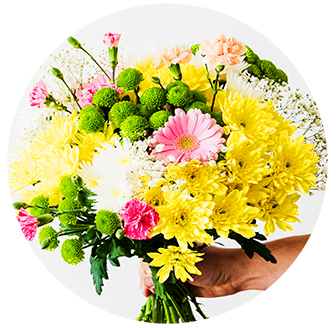
Insider tips for wedding flowers at Shakespeare Globe
Posted on 18/10/2026
If you are planning wedding flowers at Shakespeare's Globe, you are probably juggling a few things at once: the look, the timing, the venue rules, the London logistics, and the worry that the flowers might look beautiful in the morning and tired by late afternoon. Fair enough. The Globe is not a blank canvas; it has character, scale, texture, and a very specific atmosphere. That is exactly why the right flowers can transform the day. In this guide, we'll walk through insider tips for wedding flowers at Shakespeare Globe so you can choose arrangements that feel elegant, work well in the space, and actually make life easier on the day.
We will cover what matters most, how to think about bouquets, buttonholes, table flowers, and colour choices, plus the mistakes couples most often make when planning flowers for a historic London venue. A few small decisions early on can save a lot of stress later. And honestly, that is worth its weight in roses.
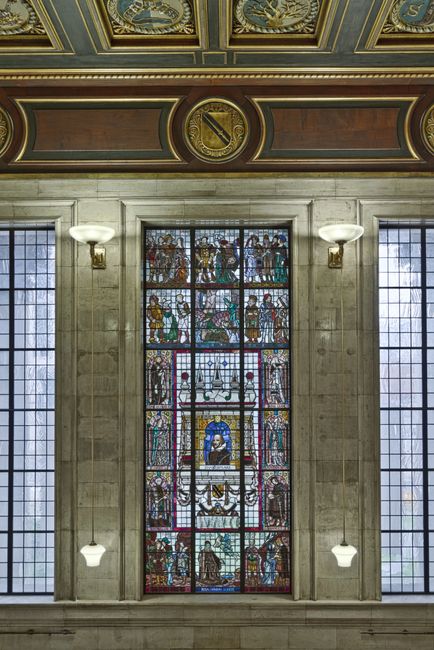
Why Insider tips for wedding flowers at Shakespeare Globe Matters
The Globe is one of those venues where flowers do more than decorate. They help define the mood. A well-chosen bridal bouquet can echo the romance of the setting without competing with it. Table arrangements can make a reception feel intimate rather than crowded. Even something as small as the groom's buttonhole changes the overall polish of the day.
That matters because Shakespeare's Globe has a strong visual identity already. You are not trying to force another style on top of it. You are working with timber, history, river light, and often a slightly theatrical atmosphere that rewards thoughtful floral design. In a venue like this, flowers should feel curated, not overdone.
There is also a practical reason to care. Historic and performance-led venues often have tighter rules around access, timing, installation, and movement of items. Flowers need to be beautiful, yes, but they also need to be manageable, secure, and quick to set up. If you only think about colour palettes, you can end up with arrangements that are gorgeous in theory and awkward in practice.
Expert summary: The best wedding flowers at Shakespeare Globe are usually the ones that respect the venue first and the couple's style second - not because your style matters less, but because the space will reward restraint, clarity, and quality over excess.
One more thing. London weather is rarely dramatic in a helpful way. If you are moving flowers between a shop, a car, a hotel, and the venue, you need designs that can tolerate a bit of reality. A bouquet that looks dreamy in a showroom may not love a hot tube journey. Truth be told, flowers have opinions too.
How Insider tips for wedding flowers at Shakespeare Globe Works
Planning flowers for Shakespeare's Globe is part design brief, part logistics project. The process usually starts with understanding the ceremony and reception spaces, then narrowing down how many floral touchpoints you actually need. That might include bridal bouquets, bridesmaid bouquets, buttonholes, a registrar table arrangement, centrepieces, aisle flowers, or a statement piece near the ceremony entrance.
At a venue like this, the smartest approach is usually to treat every floral item as part of one visual story. You do not need every arrangement to be identical. In fact, that can look a bit stiff. What works better is consistency in tone: similar blooms, related colours, and a shared level of formality.
For example, a couple might choose a loose rose-and-lisianthus bridal bouquet, smaller matching bridesmaid bouquets, simple white rose buttonholes, and low table arrangements that do not block conversation. That kind of coordination gives the day a sense of rhythm. It feels considered. Not fussy, just properly thought through.
Flowers also work on a practical timeline. Some designs are better made close to delivery because they need freshness and structure. Others, such as more compact buttonholes or sturdy arrangements, are easier to transport and position earlier. The venue schedule will shape this, so it helps to think in terms of arrival windows and setup speed rather than just the finished look.
If you are choosing from a florist's wedding range, collections like wedding flowers collections, bridal bouquets, bridesmaid bouquets, buttonholes, table arrangements, and wedding corsages can be a useful starting point. The real skill is matching those options to the venue and the day's pacing.
Key Benefits and Practical Advantages
Good wedding flowers do more than look nice in photos. At Shakespeare's Globe, they can solve several problems at once.
- They sharpen the venue's aesthetic. Historic spaces can feel busy. Flowers bring warmth and focus.
- They help guide the eye. A strong bouquet or ceremony arrangement can create a visual centre without clutter.
- They make the day feel personal. Specific flower choices, colours, and styles can reflect your story rather than a generic wedding template.
- They support photography. Flowers give photographers texture, colour, and soft edges - especially useful in mixed indoor light.
- They simplify coordination. A planned floral scheme makes it easier to brief the florist, the venue, and your wedding party.
There is also a subtle guest-experience benefit. People may not consciously name it, but they feel it. A room with well-placed flowers feels calmer and more inviting. A bouquet with the right proportions makes the whole outfit look finished. Small details, big effect. That is the funny thing about weddings.
When couples get the balance right, the flowers do not dominate the venue; they complete it. That is the sweet spot. And it is very achievable, even if you are working with a modest budget or a tight turnaround.
Who This Is For and When It Makes Sense
This guidance is useful if you are:
- getting married at Shakespeare's Globe or a nearby South Bank venue
- booking wedding flowers for a ceremony with a historic or theatrical feel
- wanting a refined London wedding look rather than a maximalist floral display
- choosing flowers for a wedding party that needs to look coordinated in photos
- trying to keep floral styling elegant while avoiding unnecessary spend
It also makes sense if you are deciding between different levels of floral investment. Some couples want a full floral story with ceremony pieces, reception flowers, and matching accessories. Others mainly need a standout bouquet, a few buttonholes, and one or two table arrangements. Both can work beautifully.
To be fair, the best choice depends on the rest of your wedding plan. If the venue itself already gives you drama and character, you may only need light floral support. If your colour scheme is minimal and your clothing is simple, flowers may need to do a bit more of the visual heavy lifting. There is no single right answer here, only the one that suits your day.
If you are unsure where to start, a wedding-focused florist can often help you narrow options by discussing your dress, suit fabrics, ceremony timing, and whether the reception will be inside, outside, or split across spaces.
Step-by-Step Guidance
1. Start with the venue mood
Before you choose a single bloom, look at the feel of Shakespeare's Globe. Is your wedding leaning romantic and soft, crisp and classical, or bold and contemporary? The venue can handle all three, but your flowers should not fight the space. A fresh, light palette often works especially well because it lifts the darker structural elements.
2. Decide the floral priorities
List what matters most. For some couples that is the bridal bouquet. For others it is the ceremony arrangements or table flowers. Be honest here. If the budget is finite - and most are - spend where the eye will linger longest. Usually that means the bouquet, the ceremony focal point, and the first tables guests see.
3. Choose a palette, then a flower mix
Pick colours first, then think about varieties. At the Globe, creams, whites, blush pinks, soft purples, and restrained mixed tones often sit well against the setting. If you want a more dramatic look, deeper reds or richer mixed shades can work too, but they need handling carefully so the overall look does not become heavy.
Popular wedding-friendly flowers include roses, lisianthus, orchids, lilies, alstroemeria, carnations, chrysanthemums, and hydrangeas. The right mix depends on season, texture, and the shape you want. Roses give structure. Lisianthus softens. Orchids add a polished edge. Hydrangeas bring fullness. Easy enough to say, but in the bouquet they behave very differently.
4. Match bouquet scale to the outfit and the venue
A huge bouquet can overwhelm a petite frame or a delicate dress. A very small bouquet can disappear in a grand setting. The best bouquets feel balanced in the hand and in photographs. If you are wearing detailed fabric, keep the bouquet a little looser. If your gown is very simple, a more textural bouquet can give it presence.
5. Plan buttonholes and corsages as part of the same language
Buttonholes are not afterthoughts. At a venue with refined styling, they help tie the whole wedding party together. Keep them simple enough to survive the day, but consistent with the bouquet and table flowers. Corsages should be lightweight and comfortable; no one wants to spend half the ceremony adjusting a strap that keeps slipping.
6. Confirm delivery, placement, and storage details
Ask how the flowers will arrive, where they can be held, and who will place them. If arrangements need to be transported through narrow time windows or handed off to venue staff, make that plan clear early. London weddings can move fast. The worst time to realise an arrangement is too tall for the table is, unsurprisingly, when the table is already dressed.
7. Schedule a final check
Before the wedding, confirm colour notes, quantities, names, timing, and any access instructions. If your florist is making bridal bouquets, bridesmaid bouquets, and buttonholes, make sure the count is exact. Then stop tweaking. Really stop. This is the part where couples can accidentally create extra work for themselves.
Expert Tips for Better Results
Here are the insider details that genuinely make a difference.
- Use the venue's texture as inspiration. Soft, layered florals often sit beautifully against historic timber and warm light.
- Keep one element dominant. If the bouquet is lush, let the table flowers be calmer. If centrepieces are rich, keep the bouquet a little cleaner.
- Think in levels. Low arrangements are easier for guests to talk over, while one taller focal piece can create drama where needed.
- Choose flowers that hold their shape. Some blooms look glorious but are delicate in transport. A good florist will steer you toward sturdy options when needed.
- Photograph the flowers in natural light. Even a quick phone picture near a window can show you whether the colours feel too yellow, too cool, or just right.
- Reuse where possible. Ceremony flowers can often move to the reception if planned properly. It is a practical win, and a budget win too.
A small but useful tip: ask how the flowers will look from seated eye level, not just standing height. Guests spend most of the day sitting, talking, and glancing sideways across tables. That perspective matters more than people expect.
And if you want the design to feel especially polished, choose a few flowers that repeat across all pieces. The repetition creates continuity. It is subtle, but it works.
Common Mistakes to Avoid
Even with a great florist, it is easy to misjudge a few things. These are the mistakes that come up again and again.
- Overcrowding the space. Big arrangements can look impressive but may clash with the venue's architecture or interrupt sightlines.
- Ignoring setup logistics. Beautiful flowers do not help much if they cannot be installed on time or stored safely.
- Choosing flowers only for social media appeal. Some flowers photograph well but are less practical in the real world. Balance appearance with durability.
- Forgetting the weather and transport. London heat, rain, and travel delays all have opinions. Yours should be the one that wins.
- Mixing too many colours. A busy palette can dilute the venue's elegant feel.
- Leaving buttonholes until the last minute. They are small, yes, but they still need planning, correct fastening, and matching detail.
Another common issue is under-ordering. Couples sometimes focus so much on the bouquet that they forget the impact of the other pieces. The result can feel top-heavy. If you are going to invest, make sure the supporting details are not left stranded.
One more small thing: do not assume every arrangement needs to be large to feel luxurious. Some of the most elegant wedding flower designs at the Globe are actually quite restrained. The luxury is in the finish, not just the volume.
Tools, Resources and Recommendations
You do not need complicated tools, but you do need a sensible planning kit.
- A mood board. Even a simple folder of images helps you show style direction without over-explaining.
- A guest and wedding party list. This helps you count buttonholes, corsages, and bouquets accurately.
- A floor plan or rough layout. Useful for deciding where table arrangements, ceremony flowers, and focal pieces should go.
- A colour reference. Swatches, dress photos, or fabric samples make matching far easier.
- A delivery checklist. Include arrival time, venue contact, storage instructions, and post-ceremony movement plans.
If you want to browse floral styles that fit the wedding context, useful starting points include a white wedding collection, a classic wedding collection, a romantic wedding collection, a more formal wedding collection, and individual pieces like a bridal bouquet or a bridesmaid bouquet.
If you are still comparing styles, it can also help to look at a florist's broader range for shape and tone rather than focusing only on wedding-specific pages. That is where you sometimes spot the exact colour mood you did not know you wanted.
Law, Compliance, Standards, or Best Practice
For wedding flowers, the main compliance issues are usually practical rather than legal. Still, best practice matters. At a venue like Shakespeare's Globe, always check the venue's own rules on deliveries, access, load-in times, storage, and any restrictions on attaching items to structures or placing florals in sensitive areas.
If any floral items are going in or around a public-facing space, they should be stable, tidy, and free from obvious trip hazards. That sounds basic, but it is exactly the kind of thing that gets missed in a rush. If candles, water vessels, or tall stands are part of the look, make sure the venue permits them and that they are used safely. The same goes for petals on floors or steps - lovely in photos, less lovely if they create a slip risk.
For transport and handling, good florist practice usually includes keeping blooms cool, hydrated where possible, and protected from sun or wind during delivery. If your flowers are travelling across London, it is wise to build in a bit of buffer time. Not because things always go wrong, but because weddings already have enough moving parts.
Also, if you are ordering flowers as gifts or for different attendees, check spelling, naming, and any personal message details carefully. It is a small thing, but the finishing details are the details.
Options, Methods, or Comparison Table
There are a few sensible ways to approach wedding flowers at Shakespeare's Globe, and the best one depends on budget, timing, and style.
| Approach | Best for | Strengths | Trade-offs |
|---|---|---|---|
| Minimal elegant edit | Couples who want a refined look without much setup | Simple, economical, easy to coordinate | Less visual impact in larger spaces |
| Balanced wedding package | Most weddings | Good coverage across bouquet, party flowers, and table arrangements | Needs careful planning to keep everything consistent |
| Statement floral design | Couples who want a dramatic, photo-led look | Strong visual presence, memorable style | Higher cost and more logistical coordination |
| Reuse-led approach | Budget-conscious couples who still want impact | Efficient, practical, reduces waste | Requires timing and staff coordination |
A balanced package is often the safest starting point. It gives you enough floral presence to feel special, but it does not overwhelm the venue or the budget. That said, if your ceremony is very intimate, a minimal approach can look incredibly elegant. Sometimes less really is more. Annoying answer, but true.
Case Study or Real-World Example
Imagine a couple planning a late-afternoon wedding at Shakespeare's Globe with around thirty guests. They want something romantic, but not overly formal. Their first instinct is to order lots of different flowers in lots of colours, because each bloom looks lovely on its own. Very understandable. In the room, though, the mix starts to feel busy.
Instead, they narrow the palette to white, blush, and a soft hint of green. The bride carries a loose bouquet with roses, lisianthus, and a few textured stems. The bridesmaids have smaller versions that echo the same shape. The groom and key attendants wear simple white rose buttonholes. For the reception, the tables use low arrangements that sit below eye level, so guests can talk without leaning around flowers.
The result is calm, cohesive, and unmistakably wedding-like without trying too hard. Nothing shouts. Everything belongs.
What made it work? A few things: they chose one palette, repeated it across the day, and matched the flower scale to the venue rather than just the outfit. They also planned delivery with enough margin that the flowers could be checked in daylight before the ceremony. That tiny bit of breathing space matters. It always does.
Practical Checklist
Use this as a final review before confirming your wedding flowers.
- Have I chosen a palette that suits the Globe's historic feel?
- Do the bouquet sizes match the wedding party and outfits?
- Have I decided which floral items are essential and which are optional?
- Do the flowers repeat a few key blooms for consistency?
- Have I confirmed delivery time, access, and storage with the venue?
- Are buttonholes, corsages, and bouquets counted correctly?
- Will table arrangements keep sightlines open for guests?
- Have I checked whether ceremony flowers can be reused later?
- Do I know what will happen if the weather is hot, wet, or windy?
- Have I given the florist clear colour references and any dress fabric notes?
If you can tick most of those off, you are in good shape. Not perfect, perhaps. But good shape is what you want in wedding planning.
Conclusion
Flowers at Shakespeare's Globe should feel as though they belong there - elegant, purposeful, and quietly confident. The best insider tips for wedding flowers at Shakespeare Globe are really about balance: respect the venue, keep the design coherent, and think through the practical details before the big day arrives. Once you do that, the flowers stop being a source of stress and start doing what they should do: making the whole wedding feel more beautiful, more personal, and more complete.
Whether you are planning a full floral scheme or a few carefully chosen pieces, the key is to make every decision work a little harder. One strong bouquet. A tidy buttonhole. Tables that invite conversation. That is often enough.
Get a free quote today and see how much you can save.

Frequently Asked Questions
What flowers work best for a wedding at Shakespeare's Globe?
Roses, lisianthus, orchids, alstroemeria, lilies, and hydrangeas are all strong options, depending on the look you want. In general, flowers with good shape and reliable freshness tend to work well in a historic London venue.
Should wedding flowers at the Globe be large and dramatic?
Not necessarily. Large arrangements can look stunning, but they are not always the best fit. Medium or low arrangements often feel more elegant and practical in a venue with a strong existing character.
How far in advance should I plan my wedding flowers?
It is sensible to start early, especially if you want a specific style, seasonal flowers, or coordinated pieces for the wedding party. Final details usually need confirming closer to the day, but the design conversation should happen well before that.
Can I reuse ceremony flowers at the reception?
Often yes, if the florist and venue logistics allow it. This is one of the smartest ways to stretch the budget while keeping the day looking polished.
What should I prioritise if my floral budget is limited?
Focus first on the bridal bouquet, key buttonholes, and the most visible ceremony or reception areas. Those pieces usually have the biggest visual impact.
Are white flowers a safe choice for Shakespeare's Globe?
White flowers are a very safe and elegant choice, especially if you want something timeless. They work well with the venue's historic atmosphere and can be softened with blush or greenery if you want a little warmth.
Do bridesmaid bouquets need to match the bridal bouquet exactly?
No. They should coordinate, not clone each other. Slight differences in scale or detail usually look more natural and help the bride stand out without making the bridesmaids look disconnected.
What is the difference between a buttonhole and a boutonniere?
In UK wedding language, "buttonhole" is the more common term. "Boutonniere" is used too, but both refer to the small floral piece worn on a lapel.
How do I make sure the flowers suit the venue's style?
Share photos of the venue, your outfits, and any colour ideas with the florist. A good florist will use those references to suggest shapes and flowers that fit the space rather than clash with it.
What are the most common mistakes with wedding flowers at the Globe?
The most common mistakes are oversizing arrangements, ignoring venue logistics, choosing too many colours, and leaving buttonholes or delivery timing too late in the process.
Can I choose seasonal flowers only?
Yes, and it is often a smart move. Seasonal flowers can feel fresher, more natural, and more in tune with the time of year. They can also help with availability and value.
Where should I start if I want wedding flowers but do not know the style yet?
Start with the bouquet. Once you know the bouquet shape and palette, it becomes much easier to design the buttonholes, bridesmaid flowers, and table arrangements around it. That first choice tends to unlock the rest.
If you are still refining the look, browse the wedding collection and think in terms of mood first, flower second. That simple shift can save a lot of back-and-forth, and it usually leads to a better result in the end.